
30 years of Seed Funds: A strong Network for Diversity in the Fields and on our Plates
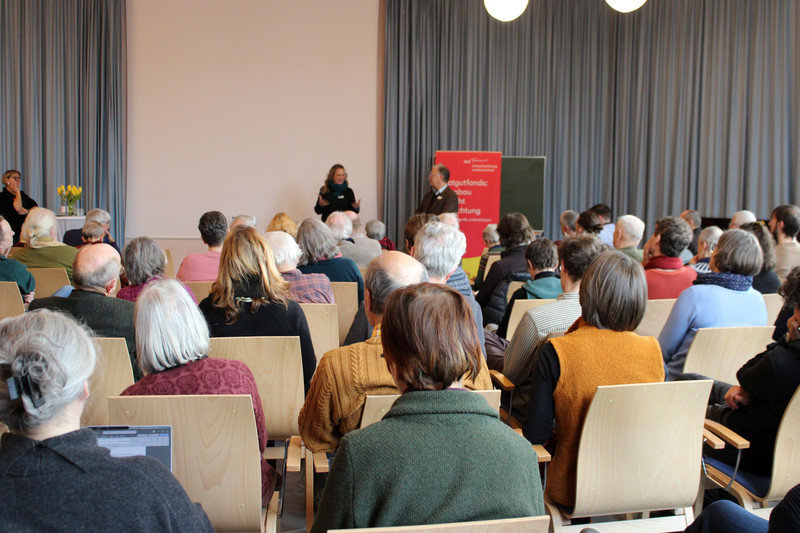
Under the motto "30 Years of Seed Funds – Successes, Challenges, and Prospects for Organic Plant Breeding," the event, attended by around 100 participants from the fields of breeding, research, seed production, and organic trade, covered everything from the early days to today's approaches. Practical reports, working groups, and a concluding panel discussion made it clear that biodynamic and organic plant breeding has become much more professional in terms of both technical expertise and organization over the past decades – despite high economic and political pressure.
In view of the challenges posed by the climate crisis, the decentralized and collaborative approach of eco-breeding was highlighted as a major strength. "For 30 years, the Seed Fund has shown that organic plant breeding is not a niche topic, but a central building block for food sovereignty, biodiversity, and climate adaptation," said Oliver Willing, Managing Director of the Future Foundation for Agriculture. "We now have a broad base for promoting organic farming independently of large corporations. If we want to continue to decide for ourselves what ends up on our plates in the future, we must continue to invest in diversity and strong networks." To date, the breeding projects financed by the Seed Fund have resulted in around 200 vegetable and cereal varieties approved by the Federal Plant Variety Office.
Strengthening sustainable agriculture
The Software AG Foundation (SAGST) has been supporting the fund since 2001, when it was transferred to the Future Foundation for Agriculture, which was founded under the umbrella of GLS Treuhand at the time. "Biodynamically and ecologically bred grain and vegetable varieties are tailored to the specific growing conditions of organic farming and can be reproduced," explains Sebastian Bauer. He is not only a member of the seed fund's board of trustees, which distributes the donations raised each year to the participating breeding initiatives, but also a project manager at SAGST. As the largest single sponsor of biodynamic plant breeding, SAGST supports numerous initiatives that not only breed climate-resistant, resilient varieties, but also pursue particularly high quality standards. The foundation is also the largest single shareholder in Bingenheimer Saatgut AG, which preserves, develops, propagates, and distributes open-pollinated vegetable varieties for commercial and hobby gardening. In order to raise awareness of this socially extremely relevant issue, SAGST also promotes education in the political arena, for example through initiatives against the planned EU deregulation of new genetic engineering techniques.