
When Education and Medicine Work Together to Promote Health
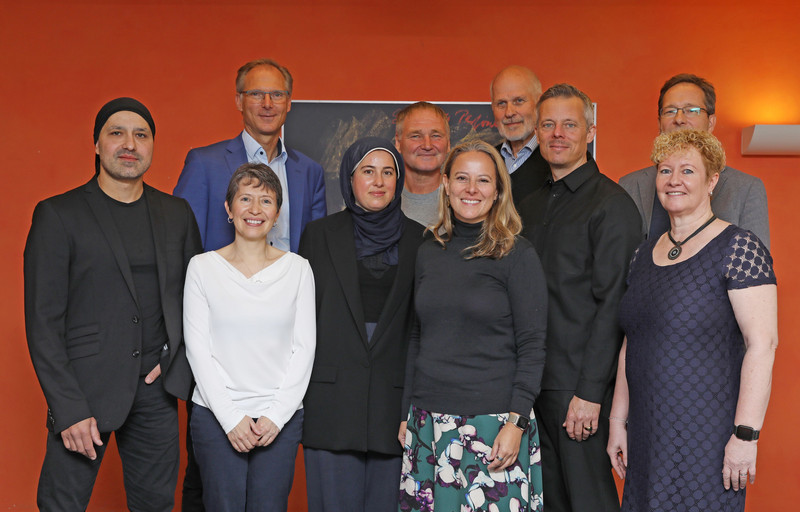
What children and adolescents need to grow up healthy is not merely a medical issue. Upbringing, education, and their living environment also play an important role. A new chair at the Freie Hochschule Stuttgart is investigating these connections and, to that end, is bringing medicine and education closer together.
The Chair of Health Research in Childhood and Adolescence is headed by Prof. Dr. med. Jan Vagedes and Prof. Dr. med. Andreas Oberle. It examines health development from biological, psychological, and social perspectives and investigates the role that educational interventions can play in this process.
Particular attention is given to prevention. This is because factors such as physical activity, nutrition, sleep, and media use shape health from an early age. The research also examines the roles that school and the home can play in this process. “Health is not a fixed state, but a process that can be worked on every day—whether in the classroom, at the family dinner table, or when using screens,” explains Jan Vagedes.
In its work, the chair builds on existing collaborations with universities, hospitals, public health departments, and public and private schools. The von Tessin Center for Health and Education is also an important point of reference.
The new chair is part of the university’s ongoing efforts to strengthen its academic profile. The Software AG Foundation (SAGST) is supporting this expansion. “The new chair creates a research space that fosters dialogue between medicine and education and can provide important impetus for healthy development,” says Peter Augustin, executive director of SAGST.